


Midjourney earned its reputation with images that look art-directed out of the box: cinematic light, rich textures, a distinct aesthetic. It started as a Discord bot and now has its own web app, and it's available by subscription.
But "best image generator" depends on the job. If you need readable text on a poster, edits to your own photo, a transparent PNG or a photoreal product shot, other models often do better. Here's how the main alternatives compare, all of which you can use on our site.
What Midjourney is great at
- Aesthetic quality: beautiful images from short prompts.
- Artistic styles: painting, illustration, concept art, fantasy.
- Mood and atmosphere: light, color and composition.
- A large community sharing prompts and styles.
Where people often look elsewhere:
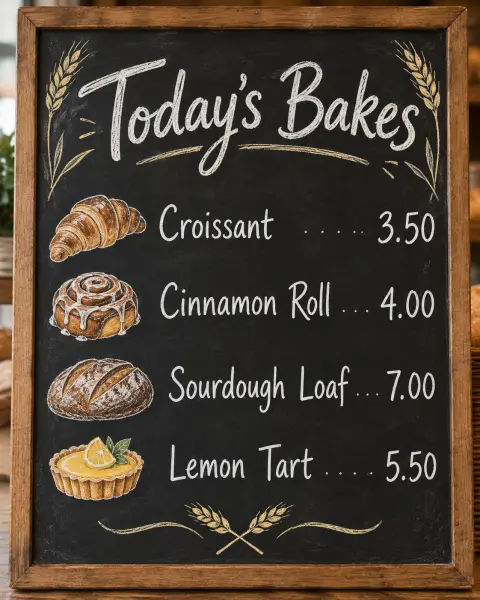
- Text in images, like posters, labels and menus.
- Editing an existing photo with precise instructions while keeping the rest the same.
- Keeping a real person or product consistent and recognizable.
- Transparent backgrounds for logos, stickers and cutouts.
- Pay-as-you-go instead of a monthly subscription.
Nano Banana Pro
Nano Banana Pro is the popular name for Google's Gemini 3 Pro Image model, which Google presents as its premium image model. It's a strong all-rounder.
- Readable text: posters, labels, menus and infographics with correctly spelled text.
- Editing by instruction: upload a photo and say "make it night" or "remove the car". The rest stays intact.
- Multiple references: combine several images and keep characters and products consistent.
- Up to 4K output.

 Nano Banana ProGoogle's model for precise edits and clean textTry it with your photo
Use it instead of Midjourney when: you need text, precise edits to a photo, or consistent characters.
GPT Image 2
GPT Image 2 is an OpenAI image model known for text and layout. OpenAI has since deprecated it in its API in favor of GPT Image 2.5 and 2.6, with shutdown planned for February 10, 2027.
- Text-heavy designs: recipe cards, menu boards, step-by-step infographics.
- Follows long, detailed prompts with many elements, positions and colors.
- Edits and references from uploaded photos or sketches.
- Up to 4K.

Use it instead of Midjourney when: the image is a design with structure, such as a menu, a chart, a recipe or a flyer.
For transparent backgrounds, its sibling GPT Image 2.5 outputs real transparent PNGs for logos and stickers.
Seedream
Seedream is ByteDance's image model family; we use Seedream 4.5.
- Photorealism: natural skin, materials and light.
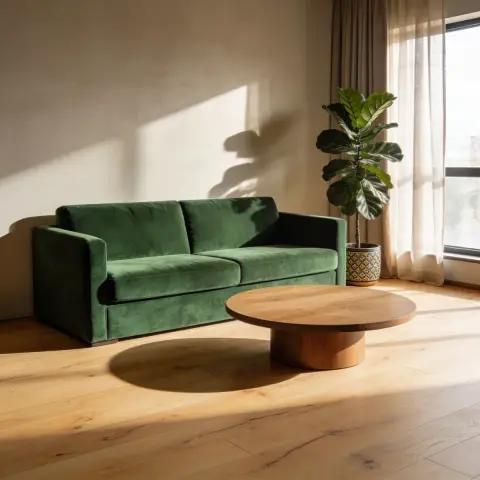
- Product and lifestyle scenes: packaging, cosmetics, food and furniture.
- Several reference photos to place a product or person into a new scene.

 Seedream 4.5ByteDance's model for photoreal scenesTry it with your photo
Use it instead of Midjourney when: you want images that look like real photos, especially commercial product shots.
Nano Banana and Nano Banana 2
Nano Banana and Nano Banana 2 are Google's faster, lower-cost models. Nano Banana 2 offers up to 4K and is the default for most photo tools on our site. They're great for quick ideas and everyday edits. Our post on Nano Banana vs Nano Banana Pro explains the differences.
Quick guide: which model for which job
- Artistic concept art and moody illustration: Midjourney remains excellent; Nano Banana Pro and Seedream are good alternatives.
- Posters, menus, labels and infographics: GPT Image 2 or Nano Banana Pro.
- Editing your own photo: Nano Banana Pro or Nano Banana 2.
- Logos and stickers with transparency: GPT Image 2.5.
- Photoreal product and lifestyle scenes: Seedream 4.5.
- Fast, cheap experiments: Nano Banana.
Pricing model
Midjourney is subscription-based. On our site, you sign in and pay per image with credits: new accounts get 25 free credits, and the cost of each image is shown on the generate button, depending on the model and resolution. Credit packs never expire, and there's no subscription.
Try the same prompt in three models
The easiest way to find your favorite is to run one prompt through several models and compare. For example: "a cozy bakery storefront at dusk, warm light in the windows, a chalkboard sign that says FRESH BREAD, light rain on the street". You'll quickly see the differences: one model nails the mood, another gets the sign exactly right, a third makes it look like a real photo. Keep a note of which model wins for which kind of image, and you'll stop guessing.
Prompting differs between models
A prompt that works in Midjourney won't necessarily give the same result elsewhere. Midjourney responds well to short, evocative phrases and style keywords. Nano Banana Pro, GPT Image and Seedream do better with clear, complete sentences that describe the subject, setting, light and style, and any text in quotes. Our guide on how to write AI image prompts covers the structure that works across models.
Commercial use and rights
If you plan to use generated images commercially, for products, ads or client work, check the terms of the service you use. Rules differ between platforms about ownership, commercial use and attribution. Avoid prompts that copy a living artist's style by name, trademarked characters or real people's likenesses without permission. Original concepts are safer and more valuable.
The bottom line
Midjourney is still a great choice for artistic images. But for text, photo edits, transparency and photorealism, the alternatives are often better, and having several models in one place lets you pick the right one for each job.