


Turning a photo into black-and-white art sounds like one thing, but there are three quite different results you can get: a pencil sketch, a line drawing, or a stencil. They look different, they're made for different jobs, and picking the wrong one is the most common reason a project disappoints.
Here's how they compare.
The short version
- Sketch: pencil lines plus shading. Looks hand-drawn and artistic. Best for framed prints, gifts and art.
- Line drawing: clean outlines only, no shading. Best for coloring pages, embroidery, engraving and minimal art.
- Stencil: solid black shapes, no lines. Best for cutting, spray paint, vinyl and screen printing.
Pencil sketch
A sketch imitates an artist drawing with graphite. It has outlines, but also shading, hatching (parallel lines that build up tone) and texture. Light and shadow from the original photo turn into areas of grey.
Looks like: a page from a sketchbook.
Good for:
- Framed portraits and pet portraits.
- Gifts for people who like a classic, hand-made look.
- Architecture and travel scenes, where hatching adds depth.
- Book illustrations and greeting cards.
Not good for:
- Coloring pages. The grey shading fights with the colors.
- Cutting, vinyl or stencils. There are no clear edges to cut.
- Very small sizes, where fine hatching turns into a grey blur.
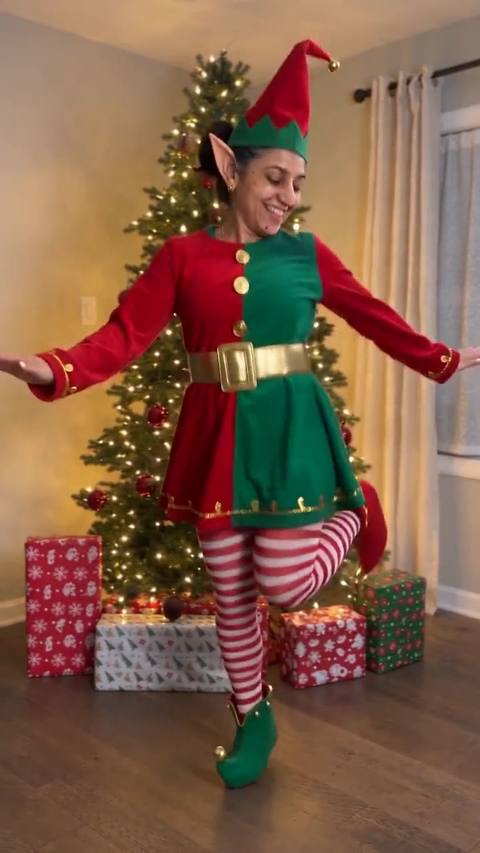
Photo to sketch redraws a photo as a pencil drawing with natural shading and hatching.
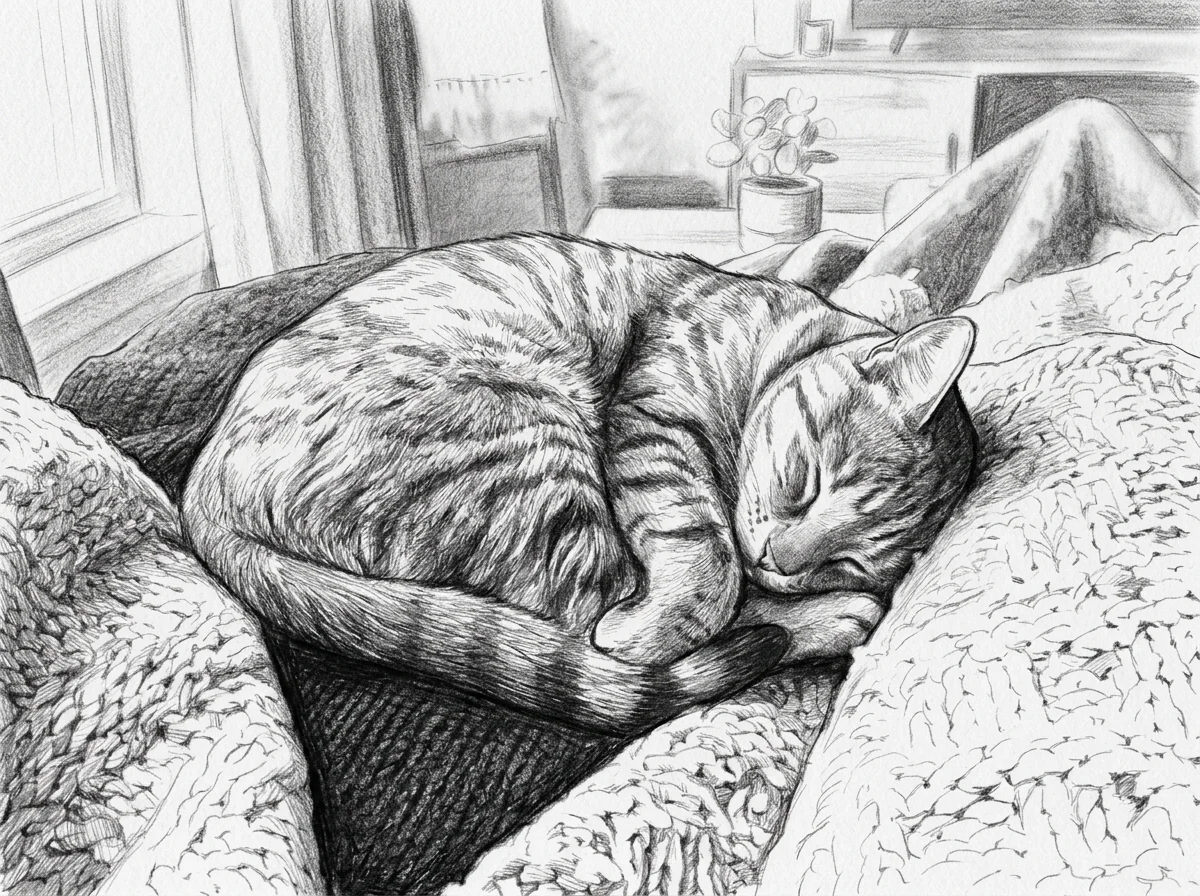
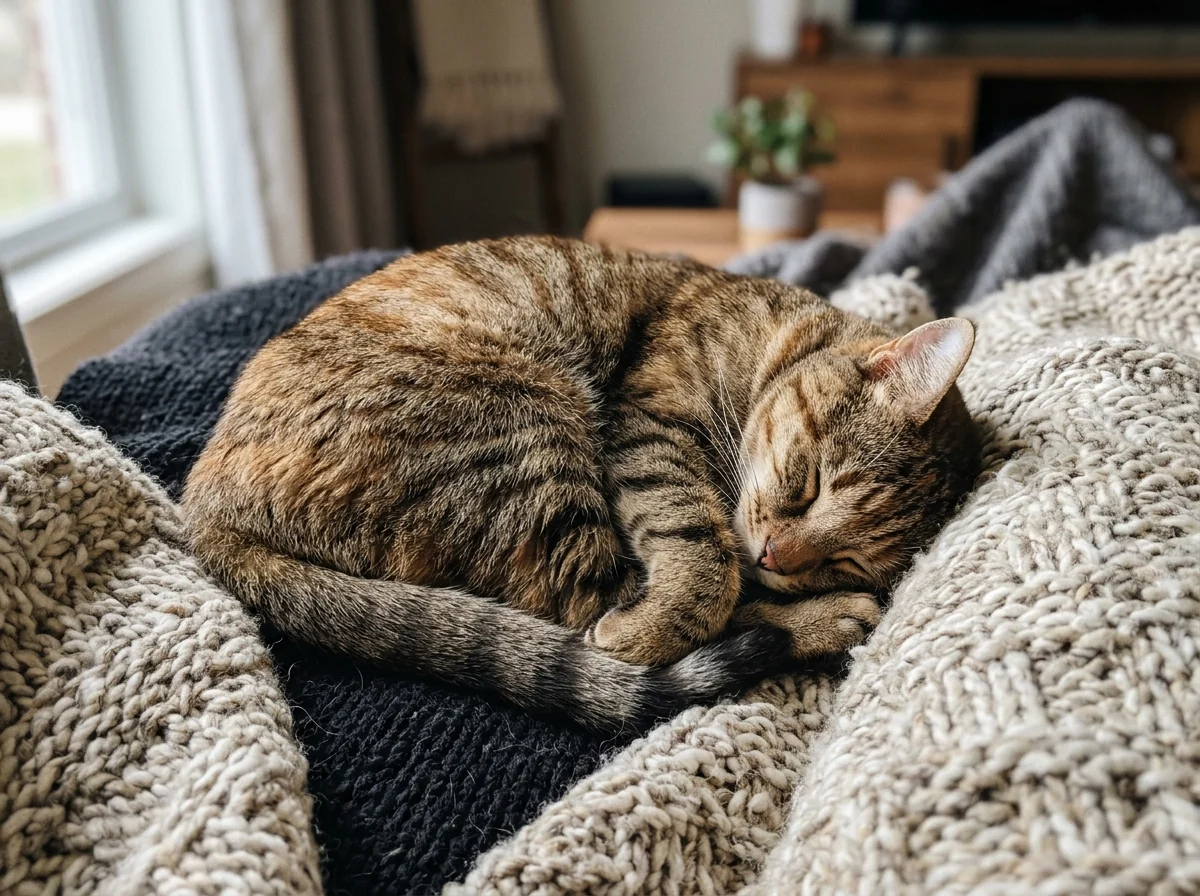
 Photo to sketchTurn a photo into a pencil drawingTry it with your photo
Line drawing
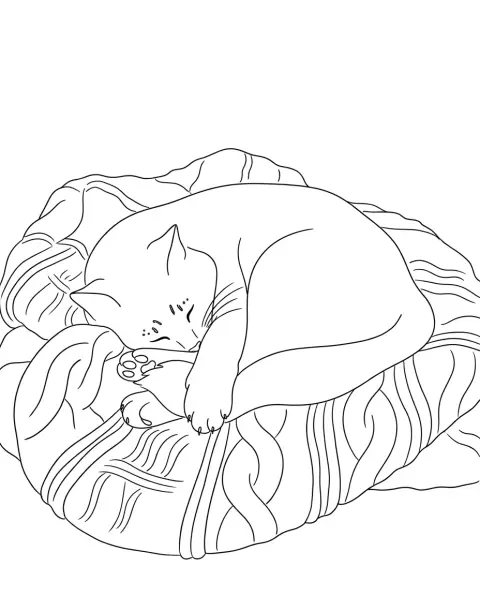
A line drawing keeps only outlines and the most important inner lines. No shading, no grey. Everything is described by black lines on white, like a coloring book page or a technical illustration.
Looks like: clean ink line art.
Good for:
- Coloring pages and coloring books.
- Embroidery patterns and hand lettering guides.
- Laser engraving and wood burning.
- Minimal wall art and tattoos with fine lines.
- Tracing onto canvas as the start of a painting.
Not good for:
- Showing depth and light. Without shading, a line drawing is flat on purpose.
- Cutting stencils. Thin lines don't make cuttable shapes.
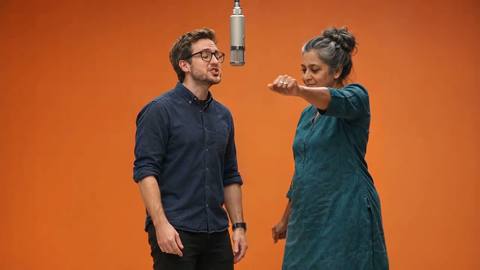
Photo to line drawing offers two levels. Simple keeps only the main outlines, ideal for young kids' coloring pages and minimalist art. Detailed keeps windows, folds and patterns for adult coloring pages and engraving.

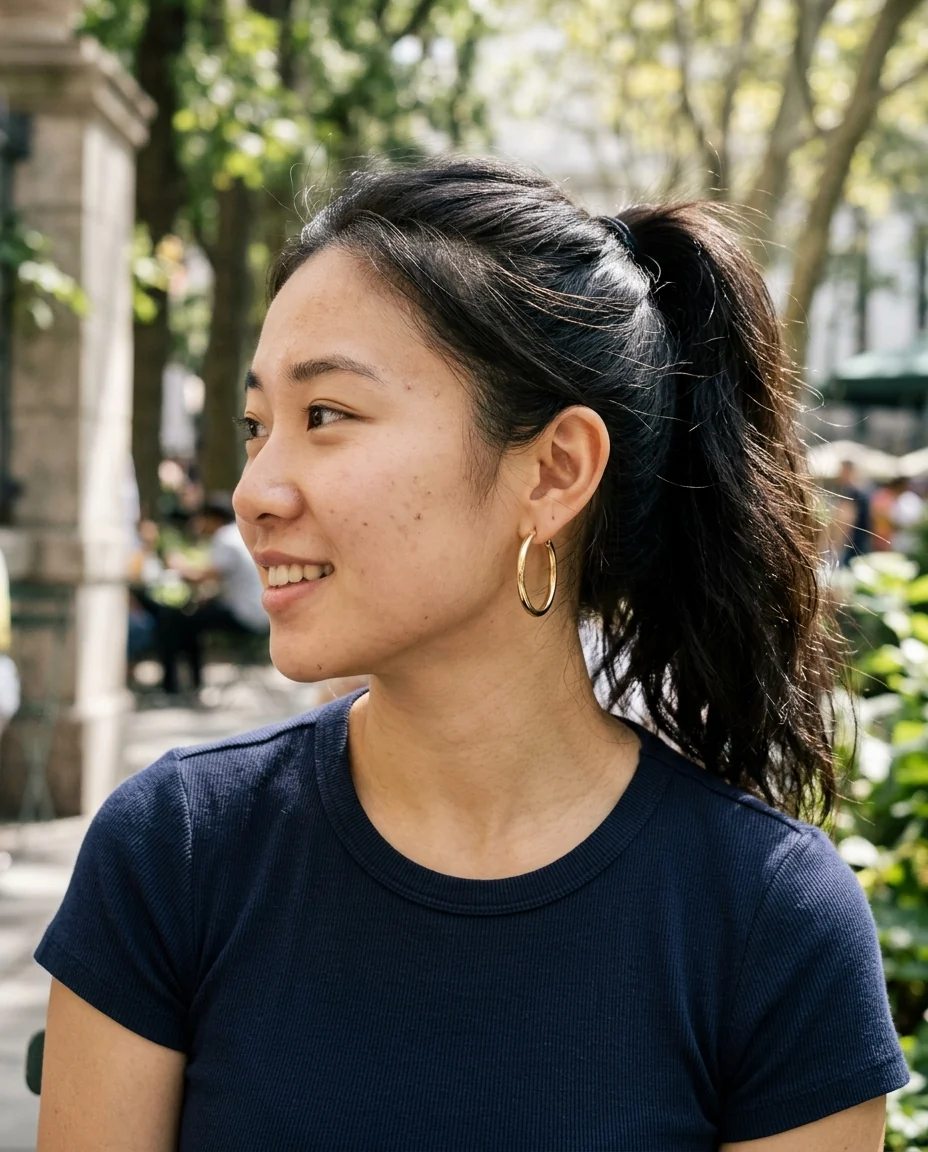
 Photo to line drawingTurn a photo into clean black line artTry it with your photo
Stencil
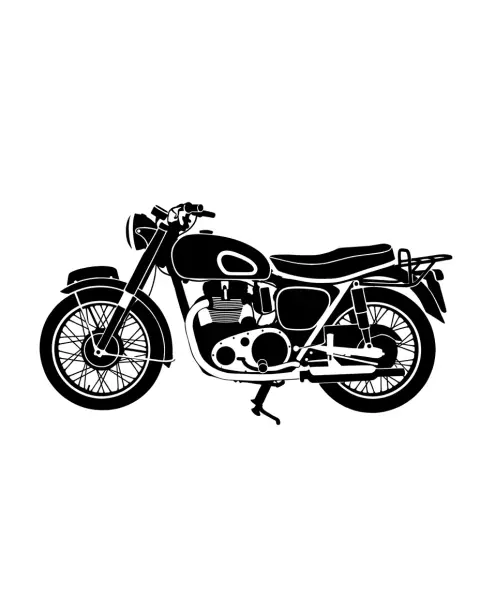
A stencil has no lines at all. It's made of solid black areas and white areas, with tones simplified into two or three levels. Every inner piece is connected by small bridges so the design can be cut out of a sheet without parts falling out.
Looks like: street art, screen prints, bold graphic posters.
Good for:
- Spray painting walls, signs and furniture.
- T-shirt printing with paint or vinyl.
- Cutting machines like Cricut and Silhouette.
- Bold blackwork tattoos.
- Posters and graphic merchandise.
Not good for:
- Coloring pages. Large black areas leave nothing to color.
- Subtle portraits. Fine expression gets simplified away.
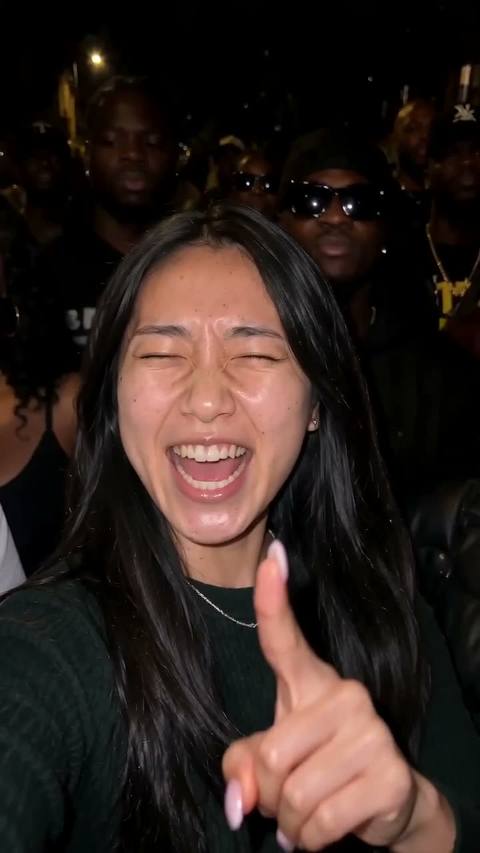
The stencil generator turns a photo into bold black shapes with crisp edges and connecting bridges, ready to cut.
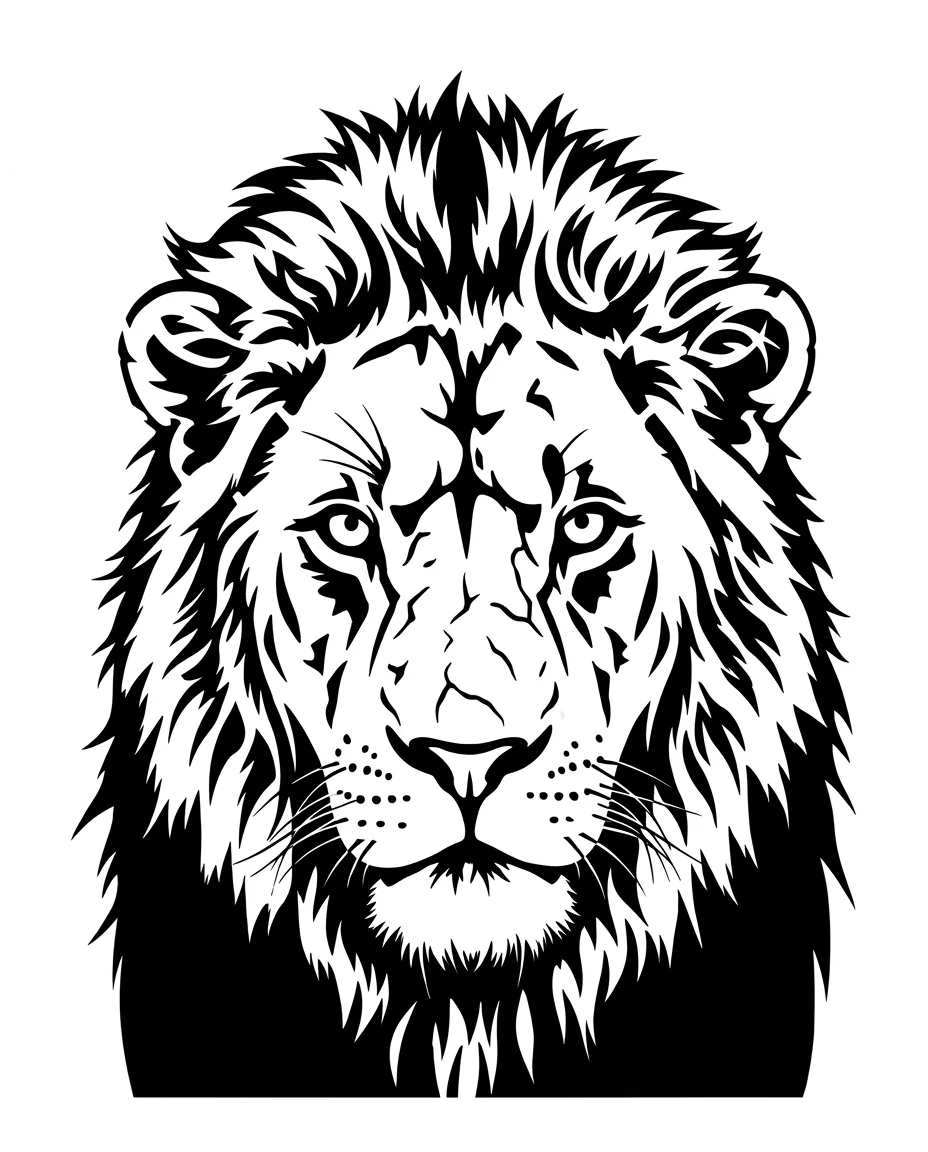
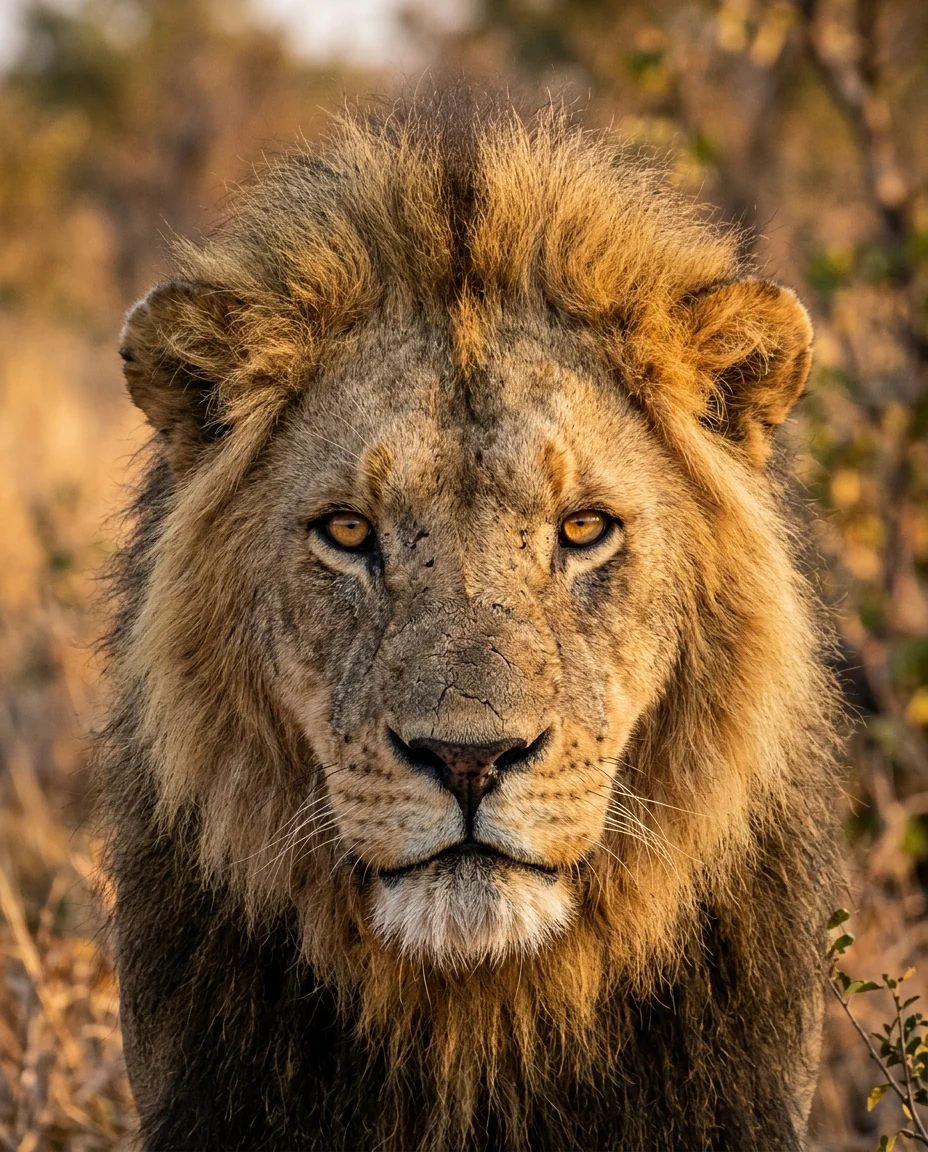
 Stencil generatorTurn a photo into a cut-ready stencilTry it with your photo
Side by side
Detail
Sketch has the most detail, line drawing has medium detail, and a stencil has the least. The stencil trades detail for boldness.
Tones
A sketch has many greys. A line drawing has none. A stencil has two or three tones made of solid black, not grey.
Size
Sketches need to be printed reasonably large for the hatching to read. Line drawings work at most sizes. Stencils work best large, because small shapes are hard to cut.
Printing
All three print well in black ink. Line drawings and stencils can also be printed in one spot color for a graphic look.
Which photo for which style?
- Sketch: photos with good light and shadow, texture, and a clear subject. Portraits with side light, old buildings, animals with fur.
- Line drawing: photos with clear outlines and not too much clutter. A single subject on a simple background.
- Stencil: photos with strong contrast and a clear silhouette. Side-lit faces, vehicles, animals in profile.
Can you combine them?
Yes, and artists often do. A line drawing can be the base for a watercolor painting: print it on watercolor paper and paint over it. A stencil can be layered with a hand-drawn line drawing for a screen print with both bold shapes and fine detail. A sketch can be traced to make a cleaner line drawing for a tattoo. Start with the style that matches the final job, and use the others as steps along the way.
Quick decision guide
- Will someone color it in? Line drawing.
- Will you cut it or spray paint through it? Stencil.
- Will you frame it or give it as art? Sketch.
- Will it be engraved or embroidered? Line drawing.
- Is it for a bold shirt or poster? Stencil.
If you're still unsure, try the same photo in all three. Seeing them side by side usually makes the choice obvious. For a full project using line drawings, see our guide to making a coloring book from your photos.