










You can recognize a Studio Ghibli still in a fraction of a second, even if you haven't seen the film. Billowing clouds over green hills, a sunlit kitchen, a girl on a bicycle, wind moving through tall grass. The Japanese animation studio, founded in 1985 by Hayao Miyazaki, Isao Takahata and Toshio Suzuki, built a visual language so distinctive that "Ghibli style" has become a description in its own right.
What exactly makes it so recognizable? It's not one thing, but a set of choices repeated with great care.
1. Hand-painted backgrounds
The backgrounds in Ghibli films are painted by hand, traditionally in poster color (a kind of gouache) and watercolor. Background artists like Kazuo Oga became famous for forests, fields and houses that look like paintings rather than computer graphics.
What you notice:
- Visible brushwork in grass, leaves and walls.
- Layered greens in vegetation, from deep shade to bright yellow-green in the sun.
- Soft edges in the distance, crisp details up close.
- Painterly texture even in simple surfaces like a wall or a road.
2. Big skies and cumulus clouds
Skies take up a large part of many frames. Tall, white cumulus clouds with soft blue shadows are almost a signature. They give scenes a sense of summer, space and calm, and they move slowly across the frame.
3. Soft, natural light
Light in Ghibli films is warm and believable: afternoon sun through a window, dappled light under trees, the golden glow before sunset, the blue of early evening. Shadows are soft and colored, not black. This light makes even ordinary places feel safe and inviting.
4. Nature everywhere
Forests, rice fields, rivers, gardens, moss, wind and rain are as important as the characters. Nature is often alive and detailed, and weather is a full part of the story. A rainstorm or a gust of wind can be the most memorable moment of a scene.
5. Everyday details
Ghibli films linger on small, ordinary moments: cooking breakfast, cleaning a room, waiting for a bus, opening a window. The detail lavished on food is famous: shiny eggs, steaming bowls, thick slices of bread. These details make imaginary worlds feel lived in.
6. Simple, expressive characters
Compared with many anime styles, Ghibli characters are drawn simply: modest eyes, natural proportions, simple clothes, hair that moves with the wind. The faces are expressive but not exaggerated. The contrast between simple characters and rich backgrounds is part of the charm.
7. A gentle color palette
Colors are rich but rarely harsh: sage and grass greens, sky blues, warm creams, terracotta roofs, soft pinks at dusk. Saturated colors are saved for accents, like a red ribbon or a bright flower.
8. Old-fashioned places
Many films feature European-inspired towns, Japanese countryside houses, old railways, bakeries, workshops and airships. Places feel slightly old-fashioned and handmade, never glossy or high-tech.
9. Time to breathe
Ghibli films are known for quiet pauses, sometimes called "ma": a character sitting on a step, a train crossing a flooded plain, a few seconds of wind in the trees with no dialogue. Visually, these moments rely on wide, calm compositions with lots of space. When you frame your own photos, leave room around the subject and let the setting tell part of the story.
Bring the mood into your own photos
You can capture the feel even in ordinary photos by choosing the right subjects:
- Wide skies with big clouds, shot on a summer afternoon.
- Country lanes, hills and gardens with lots of green.
- Cozy interiors with window light: a kitchen table, a bookshelf, a bedroom.
- Food on a wooden table in morning light.
- People doing simple things: reading, cycling, hanging laundry, waiting at a station.
- Wind: hair, grass, curtains or laundry moving.
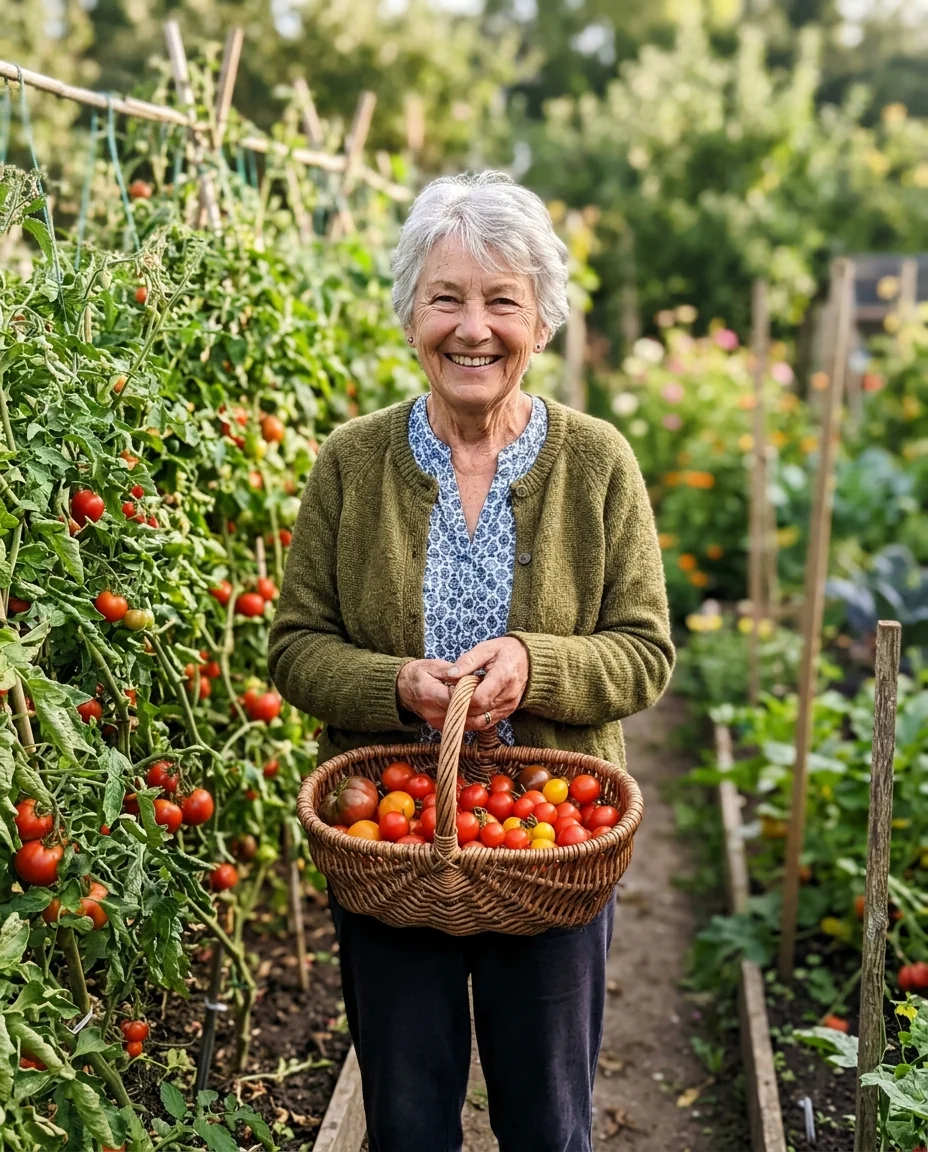
Then turn the photo into a painted scene. The Ghibli filter redraws a photo in a soft, hand-painted animation style with pastel colors, painterly clouds and warm light, keeping the composition of your shot.

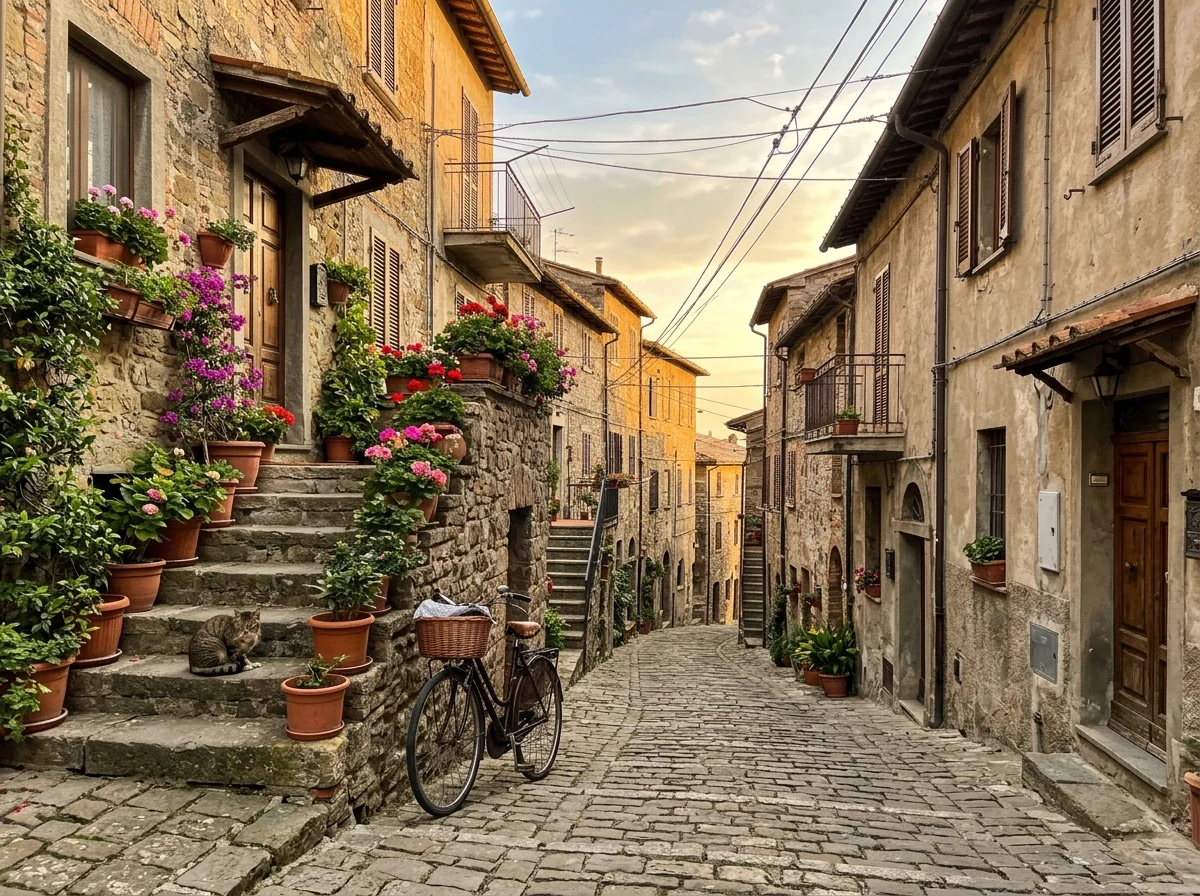
 Ghibli filterTurn a photo into a hand-painted Ghibli sceneTry it with your photo
Landscapes and street scenes respond especially well, because the style lives in skies, plants and buildings. Portraits work too: the person is redrawn with a simple face and soft shading, like a film character.
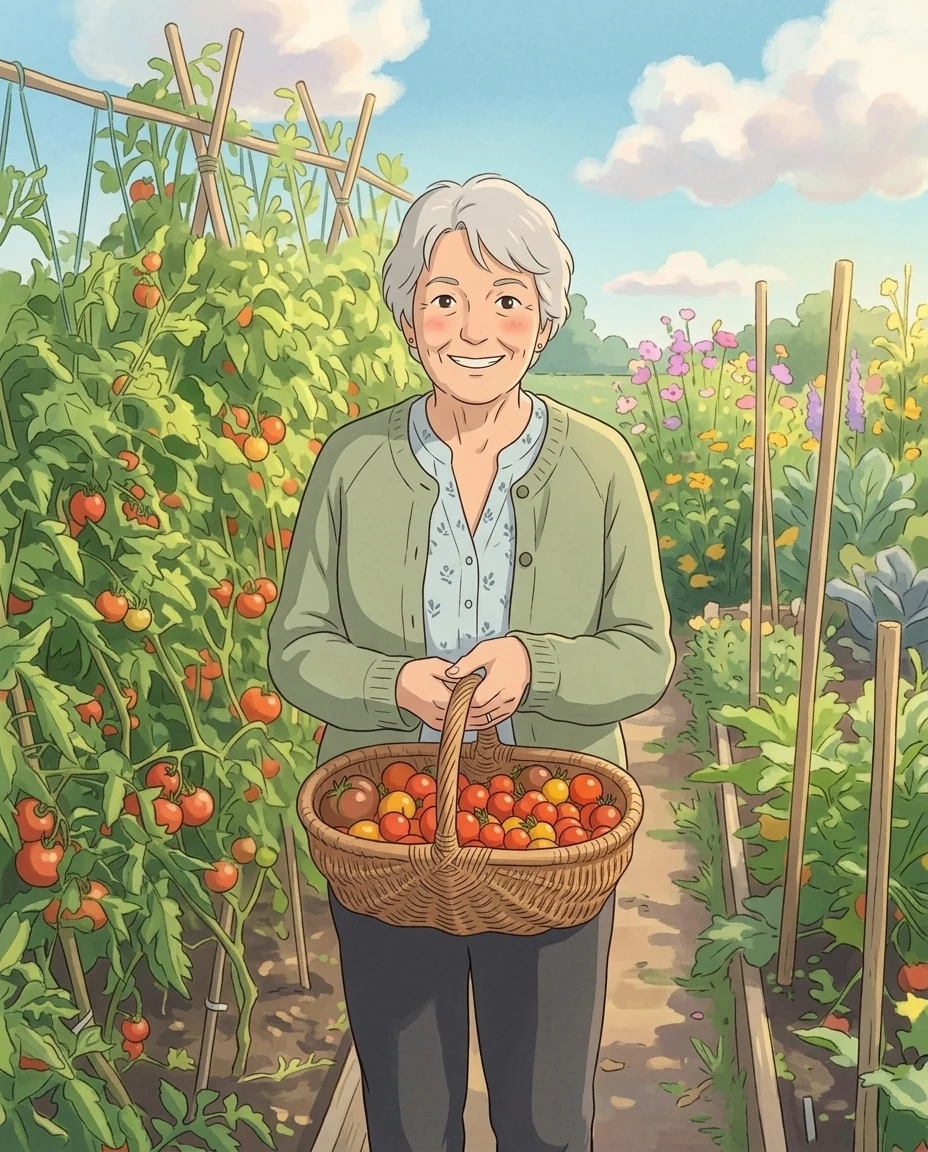
Ghibli-style vs general anime
If you want a sharper, more modern anime look, with cleaner lines, brighter highlights and larger eyes, Photo to anime is the better fit. The Ghibli filter is softer and more painterly; photo to anime is crisper and more like current TV anime.
Ideas for Ghibli-style images
- Your house or street as a film still.
- A family picnic as a painted scene.
- Your pet asleep in a sunny spot.
- A travel photo of a village or countryside.
- A café or bakery you love.
- A portrait for a profile picture or a printed gift.
A note on respect
Studio Ghibli's films are the work of many artists, and the studio's characters and images are protected by copyright. Using a style inspired by the films for your own photos is a personal creative project. Don't sell images of the studio's characters, and don't present generated images as official artwork. We're not affiliated with Studio Ghibli. If you love the style, the best tribute is still watching the films.
To make your own, copy one of our Ghibli-style prompts, each tested on a real photo.

