








Bangs are one of the most tempting haircut decisions and one of the most regretted. They can transform a face, frame the eyes, and make a simple cut look intentional. They can also become a daily battle with cowlicks, oily foreheads and humidity. And if you change your mind, growing them out takes months.
Here's how to decide, which kind to choose, and how to see them on your own face before anyone picks up scissors.
Types of bangs
Curtain bangs
Longer bangs parted in the middle that sweep to both sides, like opening curtains. They blend into the rest of the hair and are the easiest to grow out. The safest first bangs.
Blunt bangs
A straight, heavy line across the forehead, usually at or just below the eyebrows. Bold and graphic. Need trimming every two to three weeks.
Wispy bangs
Thin, light, see-through bangs. Soft and casual, less commitment than blunt bangs.
Side-swept bangs
Longer bangs swept to one side. Classic and easy to pin back on bad days.
Curly bangs
Bangs cut to work with natural curls or coils. They need a stylist who cuts curly hair, usually dry, so the length is right when the curls spring up.
Micro bangs
Very short bangs well above the eyebrows. A statement look that suits strong features.
Face shape and bangs
Face shape is a guideline, not a rule, but it helps narrow it down:
- Oval: almost any bangs work.
- Round: longer curtain or side-swept bangs that add length. Very short, blunt bangs can make the face look wider.
- Square: soft, wispy or curtain bangs soften a strong jaw. Avoid heavy, straight blunt lines.
- Heart (wider forehead, narrow chin): side-swept or curtain bangs balance a wider forehead.
- Long or oblong: blunt or full bangs shorten the face visually. This is where blunt bangs shine.
- Diamond: curtain bangs widen the forehead area and balance high cheekbones.
Our guide to hairstyles for your face shape explains how to find your face shape.
Hair type and bangs
- Fine, straight hair: wispy or curtain bangs. Blunt bangs can separate into strands.
- Thick, straight hair: blunt bangs look full and heavy in a good way.
- Wavy hair: curtain bangs that work with the wave.
- Curly and coily hair: curly bangs cut dry by someone experienced with curls.
- Cowlicks: a strong cowlick at the hairline can make straight bangs stand up. Side-swept or longer bangs that go with the cowlick work better.
Lifestyle questions
Be honest about these before you cut:
- Will you style them every day? Most bangs need a quick blow-dry each morning, even if the rest of your hair air-dries.
- Do you have an oily forehead or skin? Bangs touching the forehead get greasy faster and may need washing daily.
- Do you work out a lot? Sweat and headbands flatten bangs.
- Do you live somewhere humid? Humidity makes bangs frizz or curl.
- Do you wear glasses? Long bangs can sit on the frames. Shorter or side-swept bangs avoid that.
- Can you go to a salon every few weeks? Many salons offer quick bang trims between full cuts, but you still need the time.
If most answers are "no", curtain or side-swept bangs are the low-maintenance choice.
Preview them on your own face
Pictures of models with bangs don't tell you much about your own face. The quickest way to judge is to see bangs on a photo of you. Upload a clear, front-facing selfie to the bangs filter. By default it adds soft curtain bangs that match your hair color and texture. You can describe a different style in the instructions, such as "blunt straight bangs" or "curly bangs".


 Bangs filterSee yourself with curtain, blunt or wispy bangsTry it with your photo
Try two or three styles side by side. Most people know immediately which one feels like them.
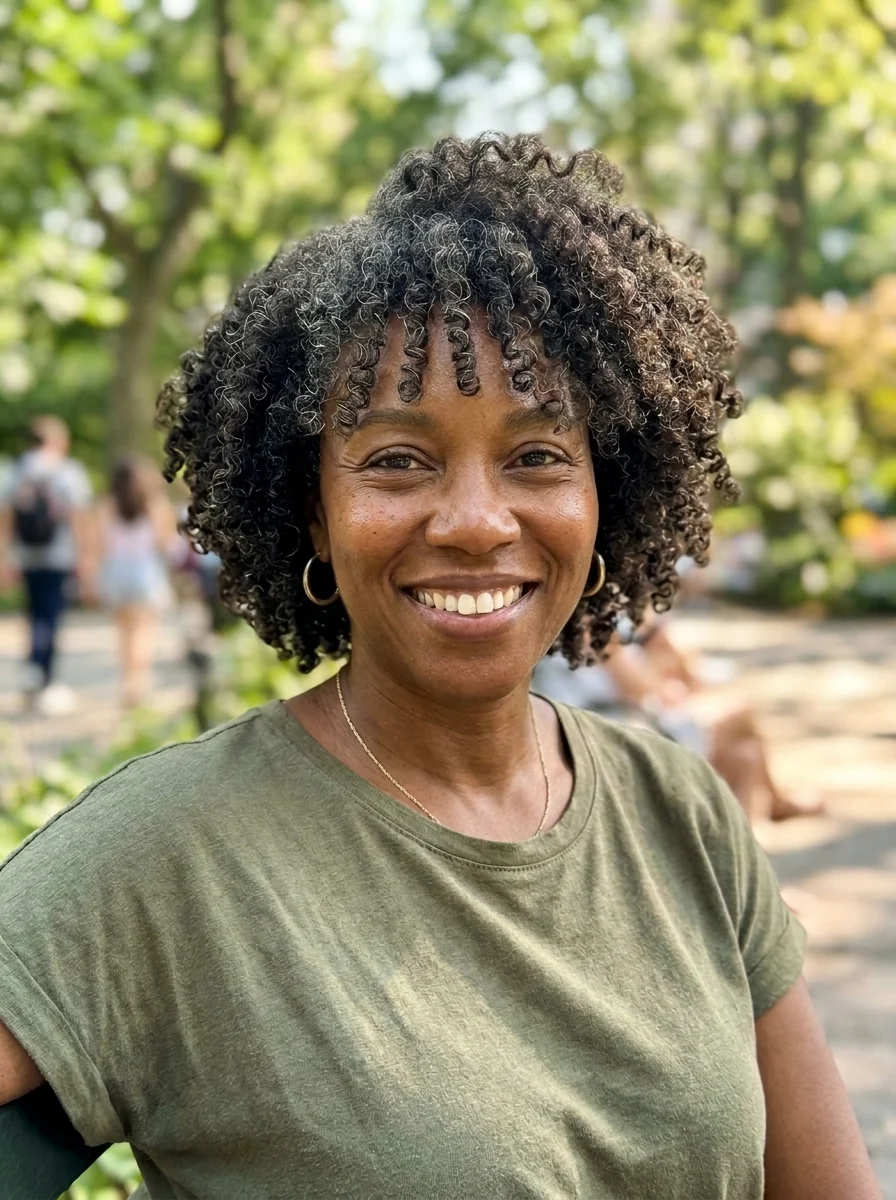
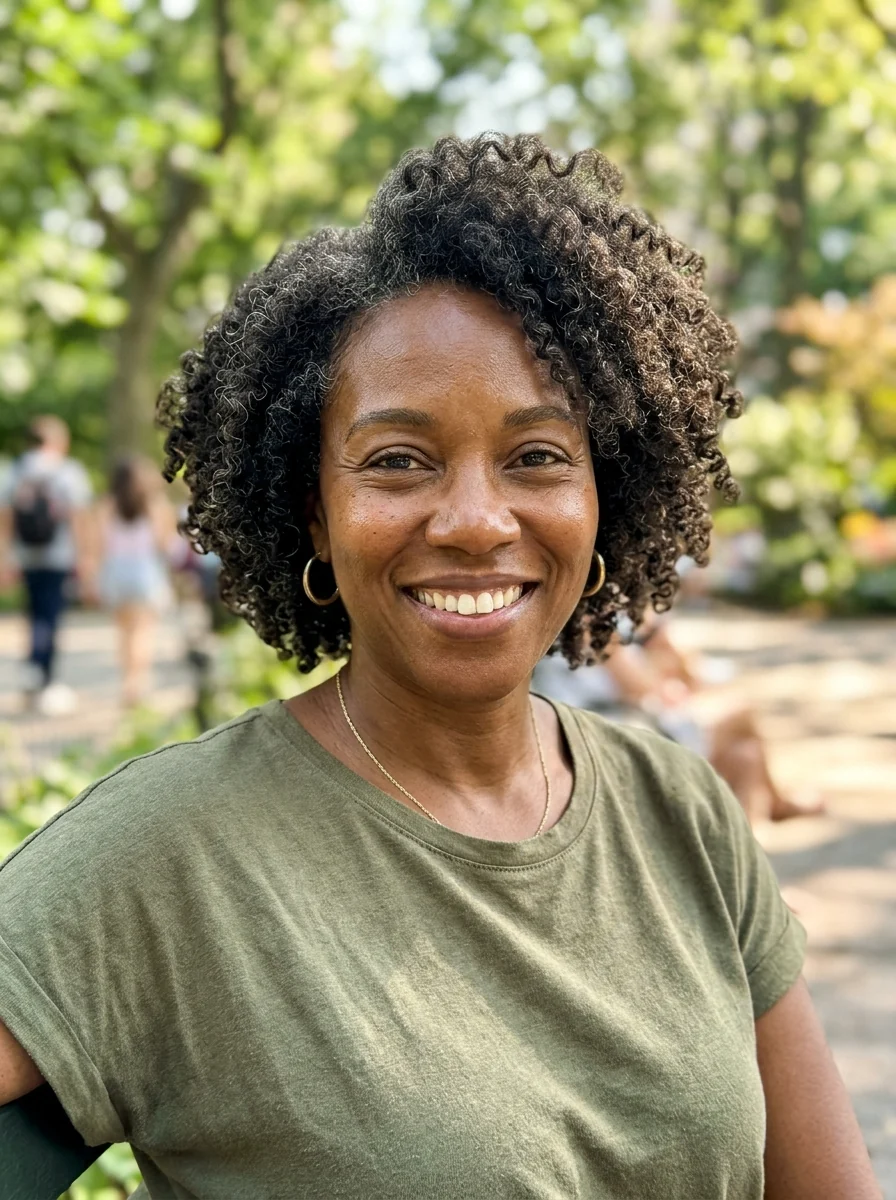
If you're thinking about changing more than the fringe, the hairstyle changer tries a whole new cut, like a bob with bangs or long layers with curtain bangs.
Photo tips for a useful preview
- Face the camera with your hair pulled back or in its usual part.
- Use daylight from a window.
- No hats, sunglasses or hands near the face.
- Take the photo at eye level, without a wide-angle lens.
Talk to your stylist
Bring your favorite preview to the salon. Then:
- Start longer. Ask for the bangs to be cut a little longer than you want. Shorter is easy, longer isn't.
- Ask about your cowlicks and how the bangs will fall.
- Ask for a quick styling lesson: a round brush and a blow-dryer for 60 seconds is usually enough.
- Book the trim. Ask how often the bangs will need trimming.
Can't decide? Try clip-in bangs
Clip-in bangs made from real or synthetic hair let you test the look for a week. They're cheap and widely available. If you love them, you'll know.
Growing bangs out
If you change your mind, curtain bangs are the easiest phase to pass through. Ask your stylist to gradually cut them longer at the sides so they blend into face-framing layers. Pins, headbands and side parts get you through the awkward months.
The verdict
Get bangs if you're excited by the preview, ready for a minute of styling each morning, and happy to trim them often. Choose curtain bangs if you're unsure. And if the preview doesn't feel like you, enjoy the look you have.

