









Two people can bring the same photo to a hairdresser and walk out looking completely different. A large part of the reason is face shape. The same bob that frames one face perfectly can make another look wider or longer. Knowing your shape helps you pick cuts that work with your features, not against them.
Face shape isn't destiny. Hair texture, thickness, your style and your routine matter just as much. But it's a useful starting point.
How to find your face shape
You need a mirror, a hair tie and a minute.
- Pull all your hair back from your face.
- Look straight into the mirror, or take a front-facing photo.
- Compare four measurements roughly: forehead width, cheekbone width, jaw width, and face length from hairline to chin.
- Look at the jaw: is it rounded, angular or pointed?
Then match it to the closest shape:
- Oval: face longer than it is wide, forehead slightly wider than the jaw, softly rounded jaw.
- Round: length and width about the same, full cheeks, rounded jaw.
- Square: length and width about the same, strong, angular jaw, forehead and jaw similar in width.
- Heart: wide forehead and cheekbones, narrow, often pointed chin.
- Long (oblong): face clearly longer than it is wide, forehead, cheeks and jaw similar in width.
- Diamond: wide cheekbones, narrower forehead and jaw, pointed chin.
Most people are a mix of two shapes. Pick the one that fits best.
Oval
The most flexible shape. Almost any cut works.
- Try: blunt bobs, long layers, pixie cuts, curtain bangs, slicked-back styles.
- Watch out for: heavy bangs that hide your balanced proportions.
Round
The goal is to add length and some angles.
- Try: long layers that fall below the chin, side parts, a lob (long bob) that ends below the jaw, volume on top, side-swept or long curtain bangs.
- Watch out for: chin-length round bobs, very short blunt bangs and lots of volume at the sides, which widen the face.
Square
The goal is to soften a strong jaw.
- Try: soft waves and curls, layers around the face, side parts, long bobs with texture, wispy or curtain bangs.
- Watch out for: blunt, straight cuts that end at the jaw line and very sleek, center-parted styles.
Heart
The goal is to balance a wider forehead and a narrow chin.
- Try: chin-length or shoulder-length cuts with volume at the bottom, side-swept bangs, curtain bangs, waves from the cheekbones down.
- Watch out for: lots of volume at the crown and very short cuts that show the full width of the forehead.
Long (oblong)
The goal is to add width and shorten the face visually.
- Try: blunt or full bangs, chin-length bobs, waves and curls at the sides, layers at cheek level.
- Watch out for: very long, straight hair with no layers and height on top.
Diamond
The goal is to soften the cheekbones and add width at the forehead and jaw.
- Try: curtain bangs, side-swept bangs, chin-length bobs, tucked-behind-the-ear styles, textured pixie cuts.
- Watch out for: center-parted, flat styles that emphasize the cheekbones.
For men
The same logic applies to short cuts:
- Round faces: height on top with shorter sides, like a quiff or pompadour, adds length.
- Square faces: almost anything works. Crew cuts and short textured crops emphasize the jaw.
- Long faces: avoid too much height on top; a fringe or side part balances length.
- Oval faces: most styles work, from buzz cuts to longer, swept-back hair.
- Beards change the shape too: a fuller beard adds width at the jaw; a short, rounded beard softens a pointed chin.
Hair texture changes everything
Face shape tells you the outline you're aiming for. Texture tells you whether you can get there.
- Fine, straight hair falls flat. Blunt cuts and bobs make it look thicker.
- Thick hair needs layers to remove weight.
- Wavy hair suits layered, shoulder-length cuts that let the waves form.
- Curly and coily hair shrinks: a cut at the chin when wet may sit higher when dry. Choose a stylist who cuts curls.
Preview the cut on your own photo
Reading about face shapes only goes so far. Seeing a new cut on your face settles it. The hairstyle changer puts a new hairstyle on your photo while keeping your face, skin tone and expression. Describe the cut, like "short wavy bob" or "low taper fade with short twists on top", or leave it blank to get a flattering modern style that's different from your current one.


 Hairstyle changerTry a new haircut on your own photoTry it with your photo
Two more tools help with the big decisions:
- Thinking of going short? The short hair filter shows you with a bob, a pixie cut or a textured crop.
- Thinking of growing it out? The long hair filter shows what your hair could look like in a year, so you know whether the awkward phase is worth it.
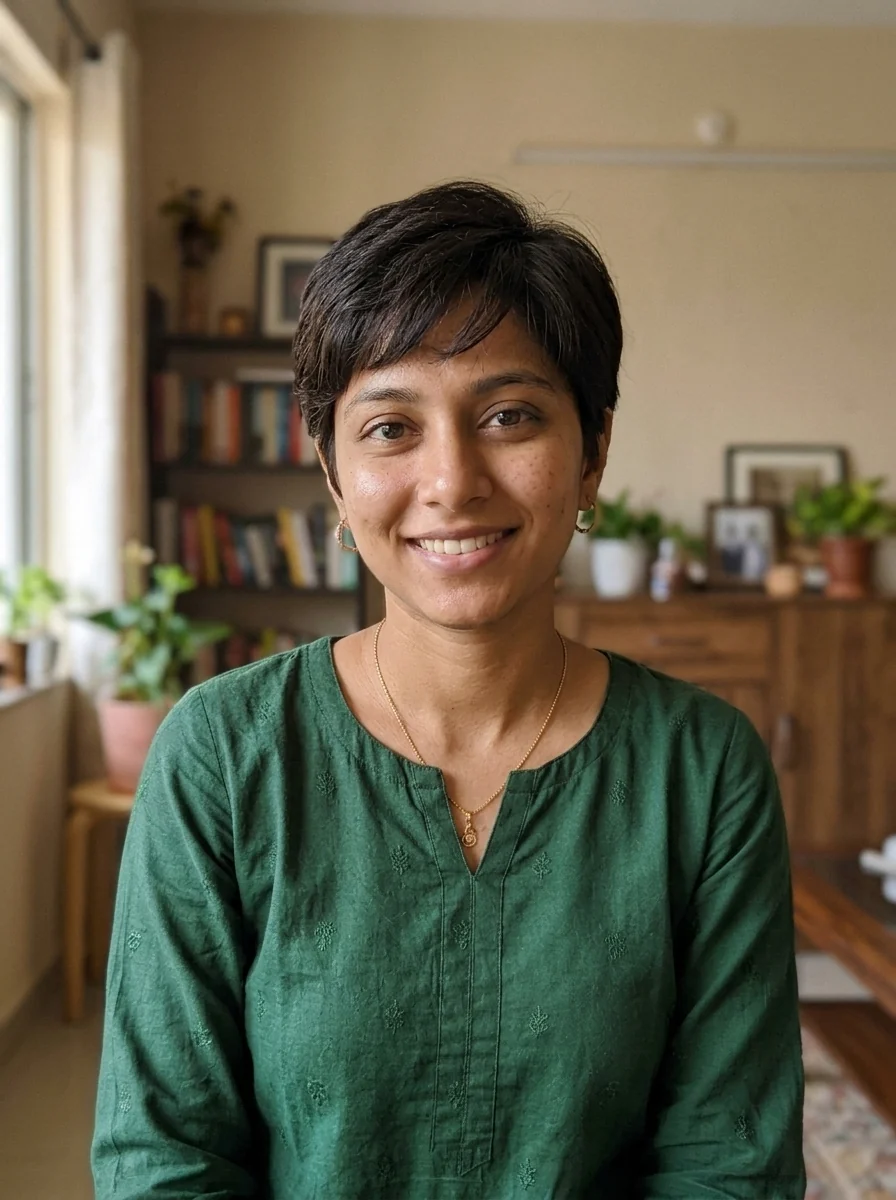
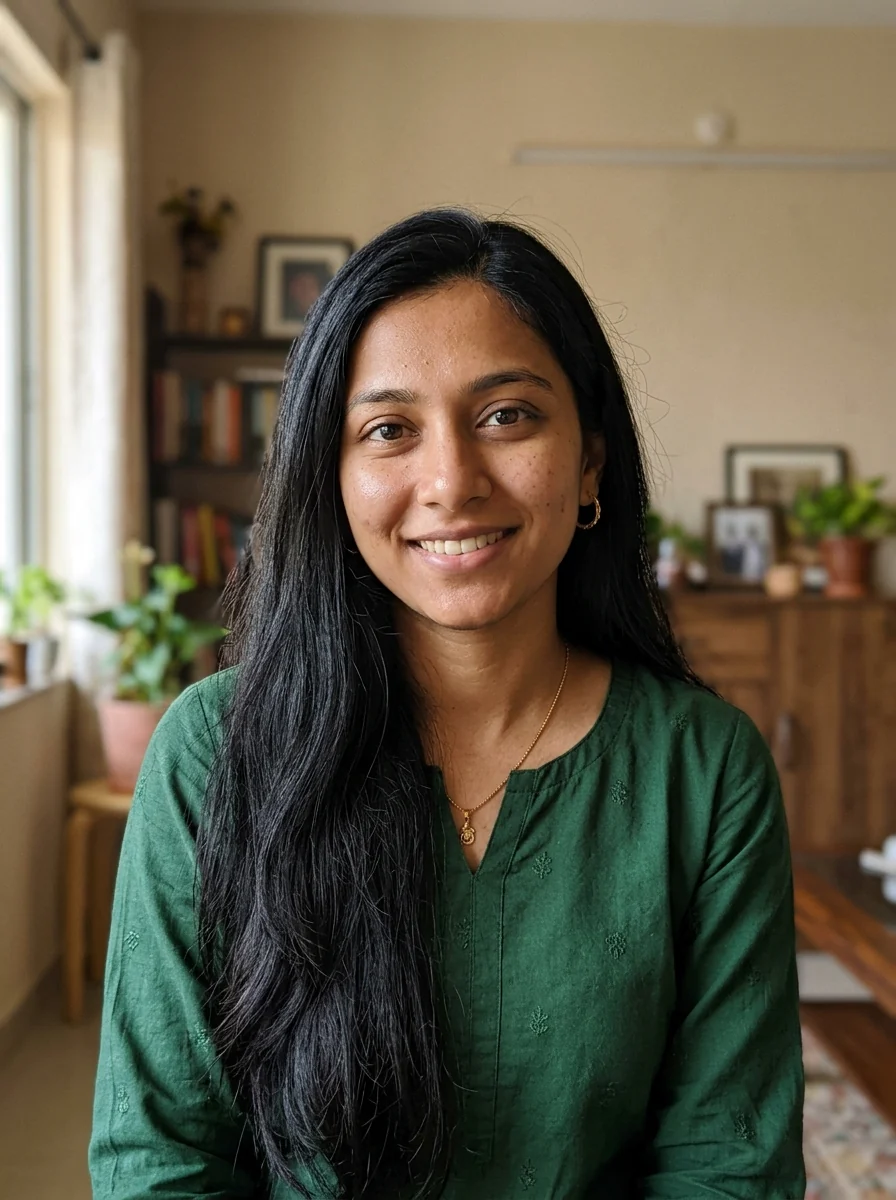
Use a front-facing photo with your hair pulled back or neatly behind your shoulders, in daylight, at eye level.
At the salon
Bring two or three previews you like, plus the face shape you identified. Ask your stylist whether the cut suits your texture and how much styling it needs each day. A good stylist will adapt the cut to your hair, cowlicks and routine.
The bottom line
Find your face shape, use it to narrow down the options, then let texture and lifestyle make the final call. Preview the shortlist on your own photo, and you'll walk into the salon with a clear picture of the result.